

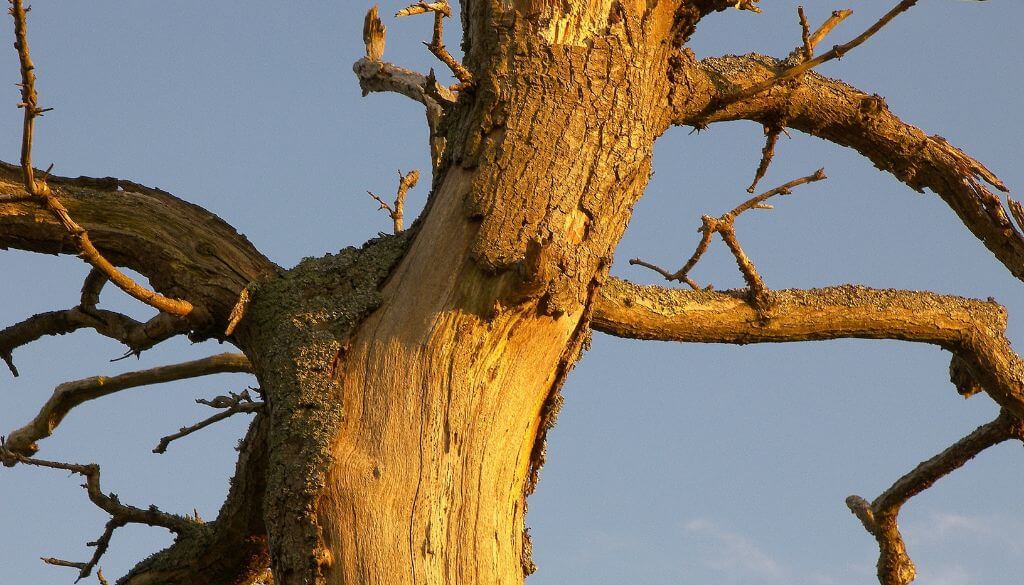
You shouldn’t ignore cracked bark since it’s more serious than just being an eyesore. It exposes a tree’s living tissue to environmental stress, disease, and pests. Your tree’s long-term health will be improved by knowing why it’s happening, and how to fix and prevent cracked tree bark. Let us help you get to the “root” of your problems, so you can have your tree stay healthy and strong.
Why Tree Bark Cracks
Many factors, including stress, can cause bark to split. Changes in temperature are a common reason, especially in NYC. The bark may expand and contract quickly when it goes from warm days to freezing nights, leading to cracking.Younger trees or specific species with thin bark are even more at risk. Sunscald is also important, especially in the winter. When a tree is dormant, bark that receives direct sunlight may heat unevenly and then quickly cool, resulting in vertical splits.
Physical impacts can cause similar damage. Lawn equipment, pets, and even wildlife can injure bark, leaving cracks that may worsen over time. Sometimes the cracks start small but grow larger as the tree reacts to the injury. Over time, these splits are basically open doors for insects and diseases, which can decay your tree faster. That’s why it’s important to understand how to fix and prevent cracked tree bark before small cracks become bigger problems.
Fixing Cracked Bark
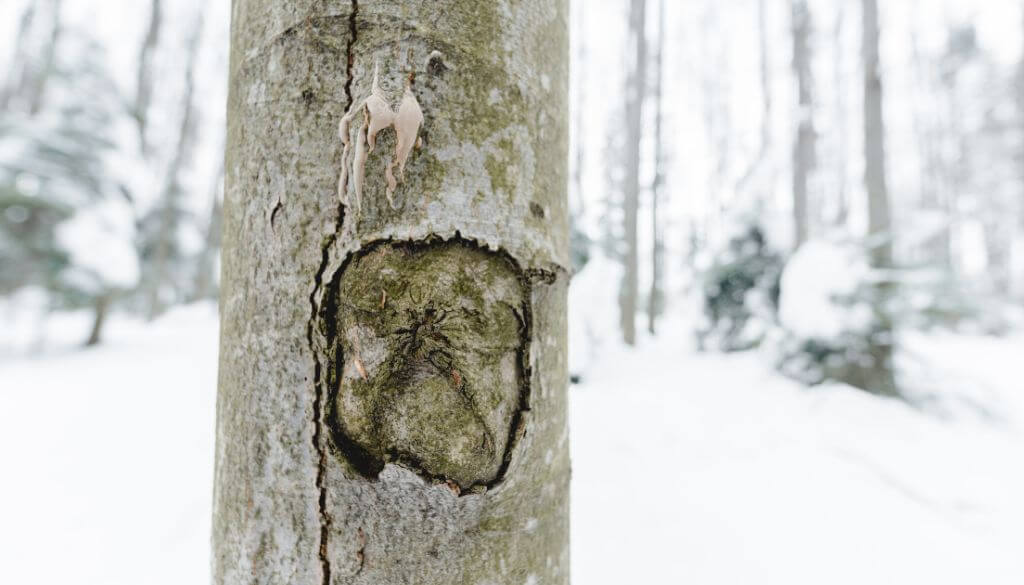
How you tackle the issue depends on how bad it is. If the tree is healthy, minor splits typically heal on their own. Disease can be stopped by removing loose or peeling bark, but be careful to not harm healthy tissue, or else you’re damaging it more. For deep cracks you might need a more planned approach, usually keeping an eye out for unwanted pests while keeping the area dry and clean.
Avoid wound paints or sealants. They trap moisture and can slow the natural healing process. Trees repair themselves by forming callus tissue around the edges of the crack. Supporting the tree with proper watering, mulching, and environmental care can accelerate this natural process. In other words, the best repair strategy is creating the conditions for the tree to heal itself. However, if you think your tree is beyond the point of saving, you’re going to need to get rid of it. Don’t DIY it, get our professional tree removal team to help you out!
Preventing Bark Cracks
Prevention focuses on reducing stress and protecting the tree from physical and environmental damage. You need to make sure your watering schedule is consistent and gradual to maintain it’s health. Bark becomes brittle when a tree goes through drought, and sudden heavy watering can add stress. Mulch around the base provides extra protection, keeps moisture levels steady, and shields the trunk from equipment impacts.
Getting your tree pruned is another method that can help. Removing weak, crowded, or dead branches reduces weight on the trunk and lowers the chance of bark damage. This also helps trees distribute energy evenly, strengthening the bark from the inside out. Seasonal protection like trunk wraps for young or thin-barked trees can buffer them from sunscald and temperature extremes, which is simple but can help a lot.
Monitoring Tree Health
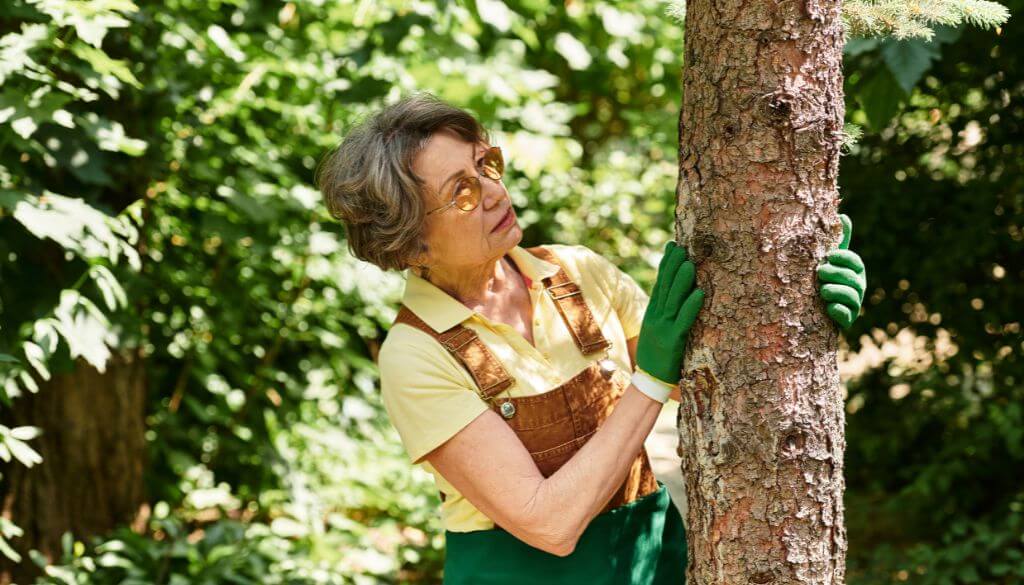
Another part on how to fix and prevent cracked tree bark is to watch it closely. Check trees for new cracks, signs of pests, or discoloration in the bark. Look for unusual patterns like vertical splits or areas that feel soft. Soil conditions also play a role in bark health. Compacted or poorly drained soil can stress a tree, making bark more prone to cracking, so make sure that it’s loose and has lots of room to drain.
You should also avoid giving your tree any physical damage. Lawn mowers, weed trimmers, and construction activities around the base of the tree can damage bark, creating openings for disease.
Long-Term Care Tips
Long-term care revolves around steady, consistent practices. Mulch and proper watering are ongoing and a must have. Trimming your tree should happen at the right time of year to reduce stress on it. Protecting young and thin-barked trees from sun and cold will prevent cracks from forming in the first place. Bark can be preserved by keeping the soil healthy, preventing any physical damage, and keeping an eye out for pests. You can fix and prevent cracked tree bark, but you can also help the tree with it’s healing process too.
Wrapping It Up
Cracked bark isn’t always avoidable, but understanding the causes and taking proactive steps makes a noticeable difference. Healthy bark is more than just the outer layer, it protects the living tissue underneath, supports growth, and helps trees survive environmental stress. By following practical strategies to fix and prevent cracked tree bark, it’s possible to keep trees healthy, strong, and resilient for years.