

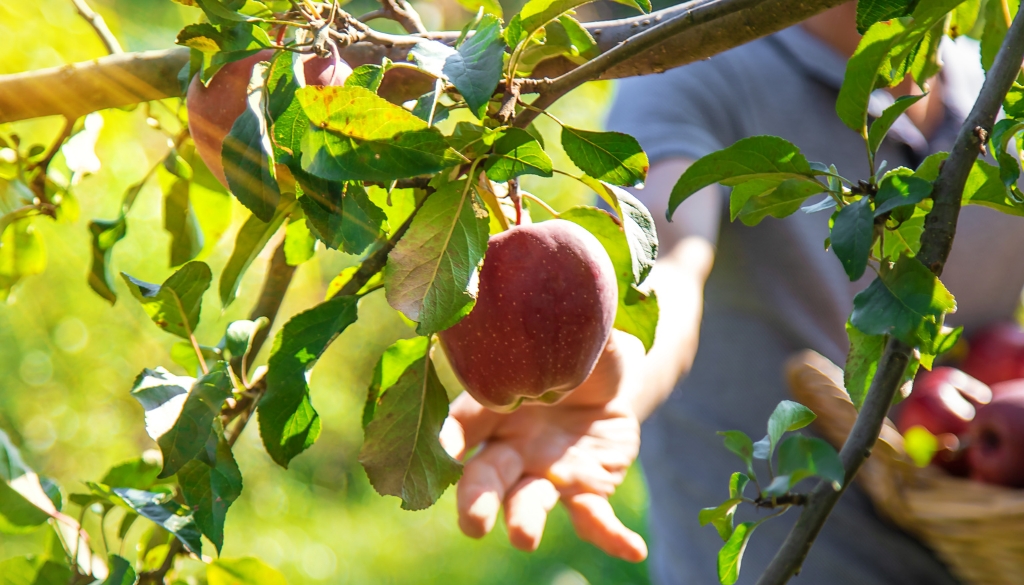
Are your apple tree leaves turning yellow, spotty, or just plain sad-looking? They might be experiencing something called apple scab. It’s super common, especially in areas with rainy springs (like in NYC, Nassau, and Suffolk), and it can affect both the leaves and the fruit.
Here’s what’s happening and how to start an apple scab treatment plan that actually works right in the comfort of your own home.
What Is Apple Scab?
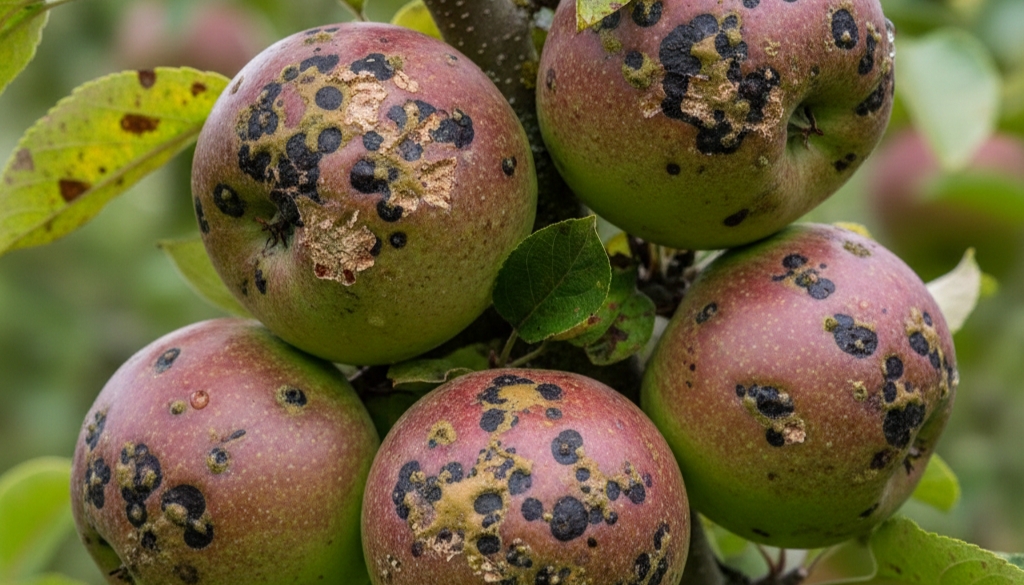
Apple scab is caused by a fungus named Venturia inaequalis. It shows up as olive-green, yellow, or brown spots on leaves and as rough, corky patches on apples. The fungus survives winter in fallen leaves and old, mummified fruit. When spring brings warm, wet weather, the fungus releases spores that infect new leaves and fruit.
Wild apples originated in Central Asia thousands of years ago, and the fungus that causes scab likely evolved alongside those wild trees in the same region. As people carried apple trees with them to the Americas, they also carried the fungus. Scientists first described the disease in the early 1800s, and agricultural records from the late 1800s show apple scab in orchards across Europe and North America. In short, apple scab has been travelling with cultivated apples for centuries, which is why it’s now a global problem.
Even though it’s old and common, apple scab is manageable.
Causes of Apple Scab
- Wet spring weather: Rain helps fungal spores spread and stick.
- Poor airflow: Trees that stay damp for long periods create the perfect environment for fungus.
- Old infected leaves: The fungus overwinters in last year’s fallen leaves and relaunches in spring.
- Sensitive tree varieties: Some apple varieties are naturally more prone to scab than others.
How To Get Rid of Apple Scab
Apple scab won’t disappear overnight and is not curable, but you can take control with a good plan. If you don’t feel confident handling it yourself, our professional tree removal services can help manage infected branches safely and keep your orchard healthy. For homeowners, here’s a realistic apple scab treatment routine that you can follow.
Clean Up Old Leaves and Fruit
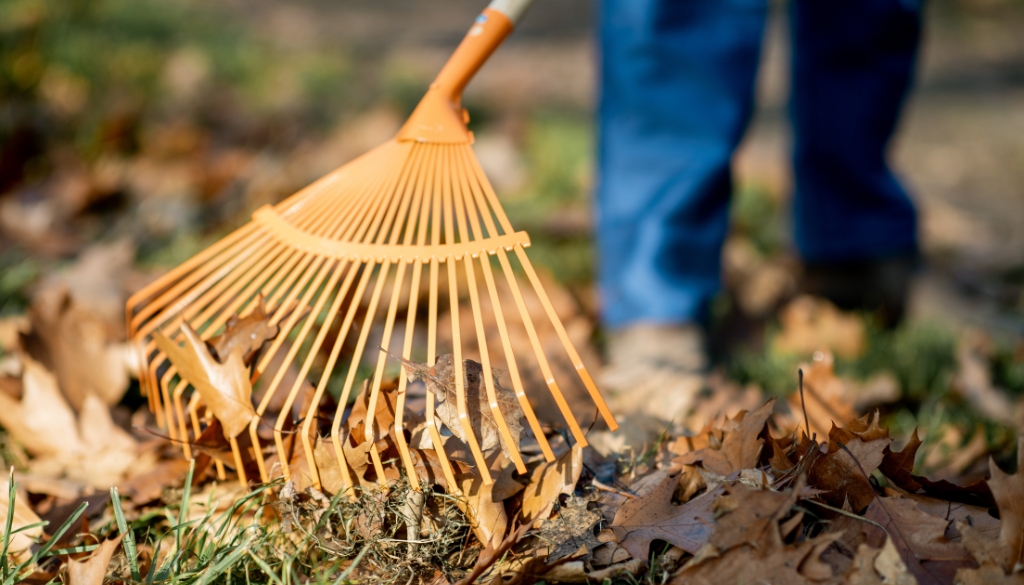
What to do: In the fall, rake up every fallen leaf and any old fruit under the tree. Bag them or dispose of them in a way your city allows.
Why it helps: Those leaves are the fungus’s winter hiding spot! Remove the leaves, and you remove most of next year’s problem. That way the spores won’t spread to healthy leaves and fruit.
Improve Airflow Around Your Tree
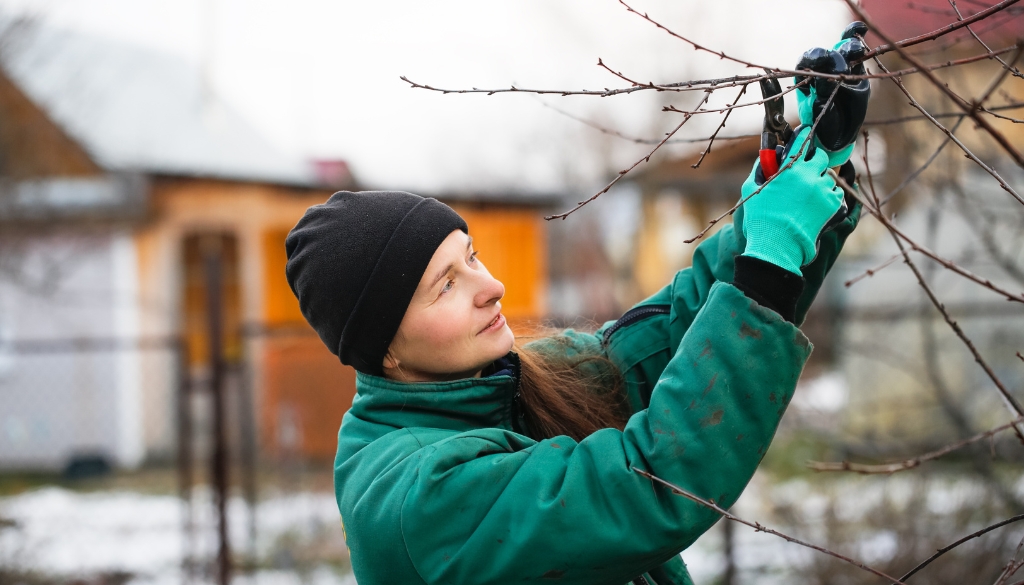
What to do: Thin out crowded tree branches and trim back nearby shrubs or tall grass so air can move around the canopy.
Why it helps: Leaves dry faster after rain, and dry leaves are harder for fungus to infect. Better airflow is one of the easiest ways to support your apple scab treatment plan.
Apply Safe and Proper Fungicide
What to do: Choose a fungicide labelled for apple scab and apply it when buds begin to swell, which is before the leaves open. The treatment will have its own instructions so it’s best to follow those so your tree heals properly.
Why it helps: Early spring is when new leaves are most vulnerable as they grow in. Protecting them right away stops the first big wave of spores from landing and spreading on the leaves.
Repeat Fungicide Application on Your Tree
What to do: Keep up your spraying, which is usually every 7 to 14 days during rainy periods. The best way to keep track is to set a reminder on your phone so you don’t forget.
Why it helps: Apple scab spreads the most during wet weather. Missing one application in a rainy week is often how outbreaks happen.
Water At The Base of Your Tree
What to do: Use a drip hose, soaker hose, or just point your regular hose at the soil, not the leaves. Water in the morning so the tree dries out during the day.
Why it helps: Wet leaves act like magnets for fungal spores. Keeping water off the leaves makes your apple scab treatment far more effective.
Check Fruit For Signs of Scab
What to do: Start checking apples in midsummer. Look for rough brown spots, olive patches, or cracking. Remove any dead apples from the tree or the ground.
Why it helps: Infected fruit can carry spores into the next season. Cleaning these up helps break the cycle.
Preventing Apple Scab On Your Tree
Once you’ve tackled the current infection, prevention becomes your best friend! Here’s how to make future seasons easier to maintain.
Rake Up Leaves in Fall
What to do: Make this a yearly habit. Clean up leaves in late fall and again in early spring if needed.
Why it helps: Again, less debris means fewer fungal spores waiting to wake up next year.
Space Out Your Tree Branches
What to do: Each year, remove small inward-growing shoots to open the canopy.
Why it helps: A breezy canopy dries out fast, which makes it harder for the fungus to infect leaves since it needs moisture to germinate and spread.
Choose Resistant Apple Varieties
What to do: Ask your nursery for apple varieties labelled as resistant to scab. For NYC, Nassau, and Suffolk County, scab‑resistant apple varieties like Liberty, Pristine, Enterprise, and GoldRush grow well and need less frequent apple scab treatment.
Why it helps: Resistant trees get fewer infections, which makes future apple scab treatment easier and less frequent.
Start Tree Treatments Early in the Season
What to do: Begin your spring fungicide routine at bud break and stay consistent.
Why it helps: Protecting early growth reduces the amount of fungus that can spread later.
Keep Your Grass Trimmed
What to do: Mow or clear tall grass and weeds around the tree’s base. Add mulch if you like, but don’t pile it against the trunk.
Why it helps: Lower grass levels allow more sunlight and airflow, keeping the area less humid and less fungus-friendly.
That’s it! Once you understand what causes it and how to build an apple scab treatment routine that fits your yard, your tree can bounce back and look healthier every year. Stay way ahead of the problem, and your tree will become the apple of your eye!