

If your magnolia tree is dripping sticky sap or has odd bumps lining the branches, you’re likely dealing with magnolia scale. We see this problem often across New York City and the five boroughs, especially during warm, dry seasons. It’s treatable and may need attention through multiple seasons, but here’s how to go about it the right way.
What Is Magnolia Scale?
Magnolia scale is a native insect found throughout eastern North America. It has lived alongside magnolia trees for a long time, but problems become more common when trees are under stress. In cities like New York, factors like heat, compacted soil, limited root space, and dry summers make magnolias more vulnerable. When the tree struggles, magnolia scale takes advantage and multiplies quickly.
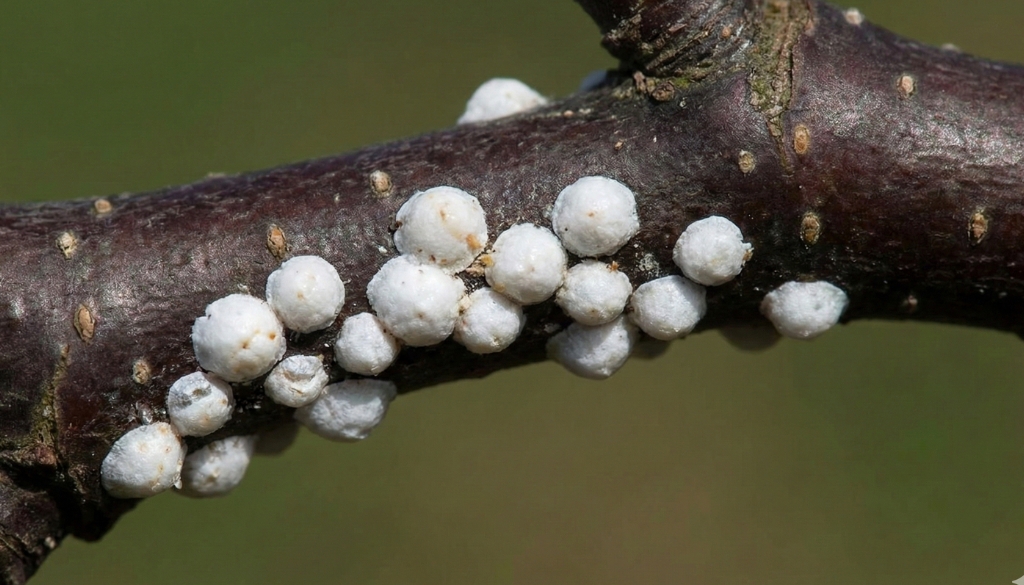
How To Know If Your Tree Has Magnolia Scale
- Rounded, smooth bumps attached to thin branches
- Light brown, tan, or pink insects clustered along stems
- Sticky sap collecting on leaves or dripping onto sidewalks
Causes of Magnolia Scale
Magnolia scale doesn’t fly. It spreads when tiny newly hatched insects crawl along branches or move between nearby trees. It’s more likely to appear when:
- Trees are stressed by heat or drought
- Dense growth blocks light and airflow
- Winters are mild
- Other magnolias nearby are already infested
Once attached, the insects feed constantly unless magnolia scale treatment interrupts the cycle.
How to Treat Magnolia Scale
When treating magnolia scale, the best results come from reducing the infestation first, then treating what remains.
Knock Off Young Scale Insects With Strong Water Pressure
Before scale insects develop a tougher outer shell, water alone can help knock them off in their “crawler” phase. This method works best when:
- Done in late spring or early summer
- Repeated every few days
- Combined with other treatment steps
It’s a simple but effective magnolia scale treatment support method to get rid of the vulnerable insects.
Thin Out the Tree to Remove Heavily Infested Growth
Scale insects usually gather on smaller inner stems rather than thick branches. This step helps because:
- Removing infected stems quickly lowers the insect count
- Opening the canopy lets sunlight reach the interior
- Remaining scale becomes easier to spot
Focus on clearing crowded inner growth and keeping leaves near the ends of branches. This leaves the tree looking tidy and easier to treat.
If magnolia scale has overtaken large portions of the canopy or multiple main branches are affected, treatment alone may not be enough. In these situations, removing your tree entirely is sometimes recommended to prevent further spread and avoid structural failure, especially in dense urban areas like New York City.
Remove Visible Scale by Hand When Infestations Are Small
If only a few branches are affected, physical removal still helps.
How to remove magnolia scale by hand
- Wear gloves
- Gently scrape or rub insects off
- Dispose of them in soapy water
- This is most effective when followed by spraying.

Spray the Entire Canopy After Clearing the Interior
After thinning out crowded branches, spraying the tree with a proper insecticide is far more effective because the inner branches are exposed, and sunlight can reach the canopy.
How to apply magnolia scale treatment correctly
- Use a hose-end sprayer or garden sprayer with good water pressure to reach leaves, stems, and thin branches.
- Coat all surfaces thoroughly, especially areas where sticky sap is dripping.
- Focus on thin stems and interior branches, since that’s where scale usually hides.
Safe products commonly used for magnolia scale treatment
- Imidacloprid
- Neem oil
- Insecticidal soap
- Malathion
Tips to keep in mind when applying treatment
- Repeat applications every 7 to 14 days until the infestation is under control, because not all insects hatch at the same time.
- Always follow the product instructions for safety and effectiveness.
Encourage Natural Predators That Feed on Scale Insects
Beneficial insects help keep scale numbers down naturally without you having to do the all the labor on your own. Helpful predators include:
- Lady beetles
- Lacewings
You can support them by:
- Avoiding harsh chemicals
- Planting pollinator-friendly plants nearby (dill, fennel, yarrow)
- Leaving some natural habitat in the yard
How to Prevent Magnolia Scale From Returning
Prevention focuses on stopping new insects before they establish themselves.
Use Imidacloprid as a Soil Treatment
This method works through the roots and protects the tree internally.
How to apply imidacloprid
- Apply in early spring or fall
- Pour evenly around the base of the tree
- Water deeply after application
Apply Organic Horticultural Oil to Stop Overwintering Insects
Oil sprays help prevent eggs and insects from surviving cold months.
How to use organic horticultural oil
- Apply in late winter or early spring
- Spray branches evenly
- Avoid freezing temperatures
This reduces the number of insects that emerge later and cause another round of scale.
Reduce Tree Stress to Make Scale Less Likely
Healthy trees are less appealing to pests. Here are some helpful habits to keep your tree healthy:
- Deep watering during dry periods
- Mulching to protect roots
- Avoiding excess fertilizer
A strong tree responds better to magnolia scale treatment overall.
Combining cleanup, spraying, and prevention gives the best results for magnolia scale. If the infestation is heavy or hard to reach, professional help from a certified arborist can prevent long-term damage and protect your tree’s health.

Written by