

Trees in New York City deal with heat, pollution, compacted soil, and long dry spells. All that stress makes them easier targets for tree scale, a slow-moving pest that weakens trees over time. Most homeowners don’t notice scale right away because it blends in and works quietly.
What Tree Scale Is
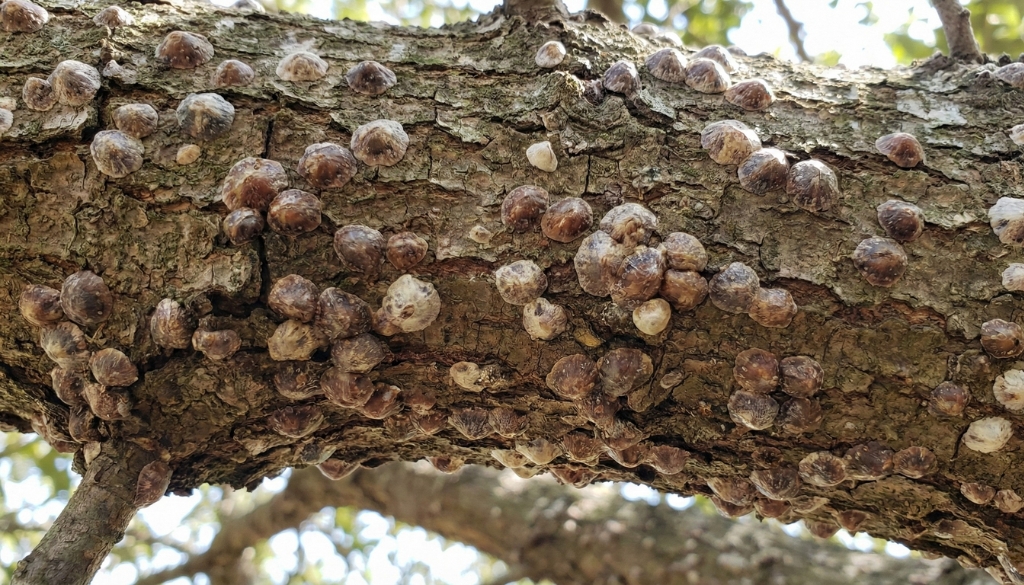
Tree scale is a tiny insect that feeds on sap. Once it settles on a branch, twig, or leaf, it stays there and builds a protective shell. That shell makes the scale look like part of the tree instead of a bug.
Scale often looks like:
- Small raised bumps along branches
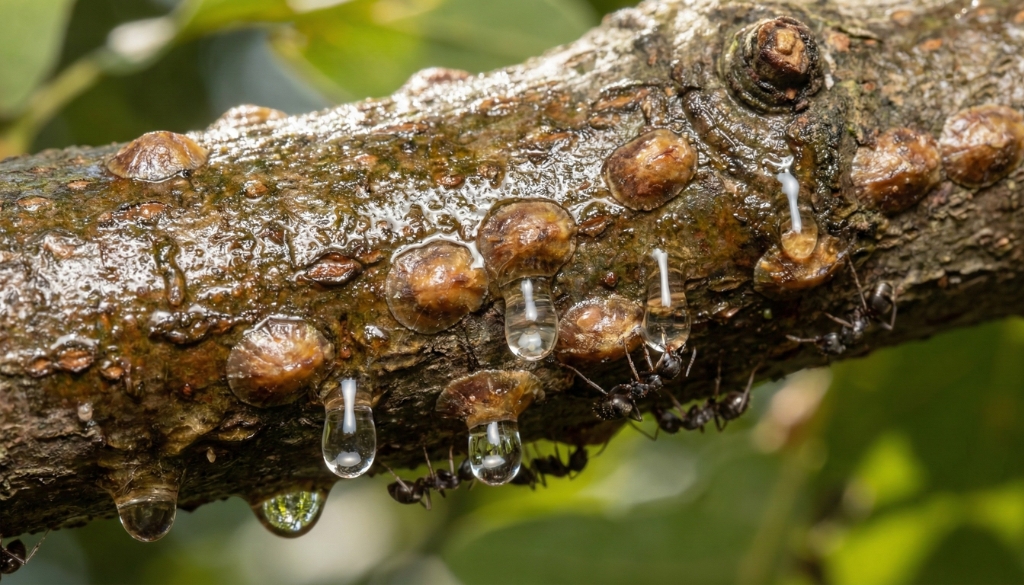
- Flat brown, gray, or white spots that won’t rub off
- Sticky residue on leaves, sidewalks, or cars underneath
Because scale doesn’t crawl around much, infestations often grow unnoticed.
Causes of Tree Scale
Tree scale usually shows up when a tree is already stressed. Common causes include:
- Heat reflected from pavement and buildings
- Infrequent deep watering
- Poor airflow between branches
- Ant activity that protects scale insects
Stressed trees give scale an easy opening.
Tree Types in NYC That Commonly Get Scale Insects
Some trees in New York City are more likely to develop scale, especially street trees and tightly planted yard trees. Tree types that commonly attract scale include:
- Maple trees, especially Norway and red maples
- Oak trees, where scale hides on thicker limbs
- Dogwood trees, often in shaded yards
- Fruit trees like apple and pear
- Magnolia trees, which commonly develop heavy scale buildup
Now, don’t let this throw you off getting these trees in your yard. They are not a bad choice at all, but they do need closer monitoring because they are more prone to scale.
Is Magnolia Scale the Same as Tree Scale?
Magnolia scale is a specific type of tree scale, not a separate issue. Scale is the general term for many sap-feeding insects, while magnolia scale mainly targets magnolia trees. Magnolia scale is different:
- Larger, softer bumps compared to most scale insects
- Heavy sticky residue that shows up fast
- Faster decline if the infestation is ignored
Just remember, all magnolia scale is scale, but not all scale is magnolia scale!
The Different Stages of Tree Scale
Tree scale goes through a few stages, and treatment works best at certain points.
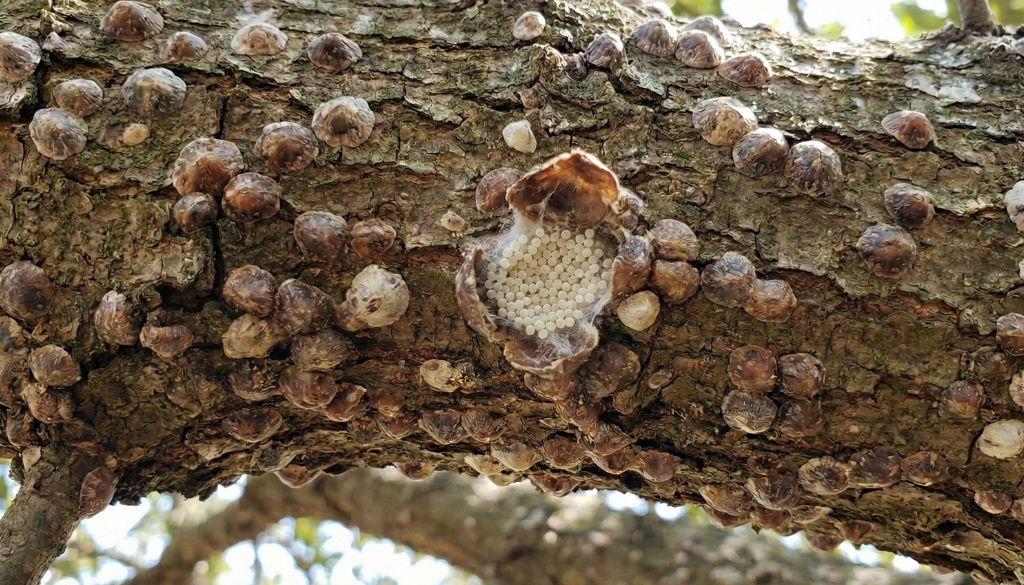
- Egg stage: Hidden under the adult shell and hard to reach
- Crawler stage: Tiny mobile insects that spread the infestation
- Adult stage: Fixed in place with a hardened or waxy shell
The crawler stage is the easiest time to control scale. Once it’s past that point, you’ll generally need to give your tree more attention daily.
Signs of Tree Scale
Tree scale causes damage gradually, not overnight. Here’s what to look out for:
- Yellowing or curling leaves
- Leaves dropping earlier than normal
- Sticky sap collecting below the tree
- Dark mold growing on that sticky residue
When you continually see these signs every season, it’s a strong indicator that scale is the culprit.
Best Treatments for Trees with Scale That Homeowners Can Use
Tree scale treatments work best when they match the insect’s life stage. Using the right method at the wrong time might not be as effective.
Manual Removal for Tree Scale
Best timing: Adult stage and early infestations when scale is visible and limited.
Manual removal helps when scale is confined to small areas and hasn’t spread far.
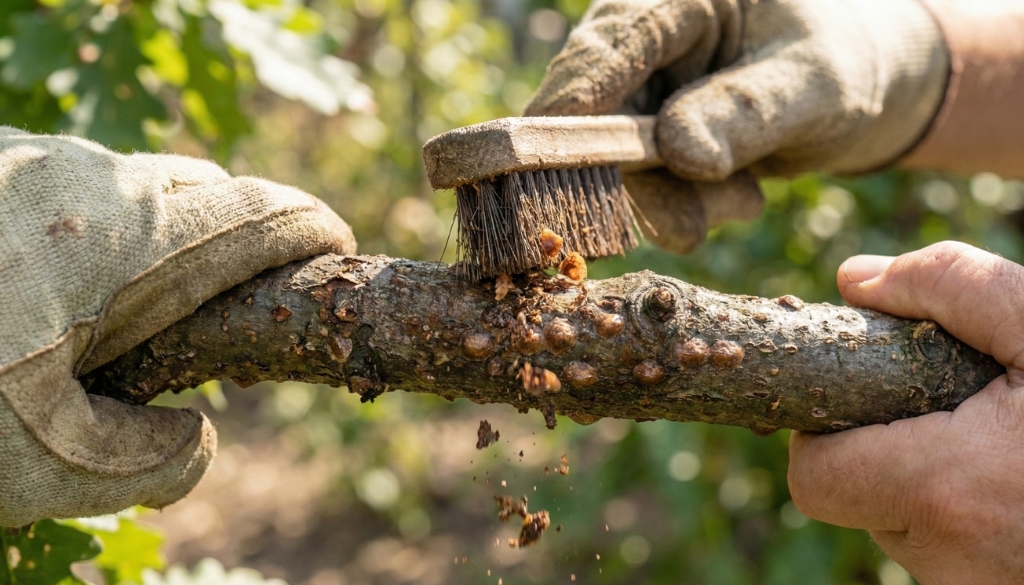
How To Manually Remove Scale
- Gently scrape scale off with a soft brush
- Wipe branches with a damp cloth
- Seal debris in a bag to prevent spread
This approach slows infestations early but won’t solve large outbreaks.
Encouraging Natural Predators That Feed on Tree Scale
Best timing: Ongoing control across all life stages, especially recurring problems.
Natural predators help reduce scale populations over time rather than wiping them out at once. Your best allies for this are:
- Lady beetles
- Lacewings
- Parasitic wasps
Avoid broad sprays so these insects can survive and help you clear scale from your tree.
Horticultural Oil to Smother Tree Scale
Best timing: Adult stage and overwintering eggs during cooler weather. Overwintering eggs are eggs that insects lay in the fall so they can survive the winter and start the cycle again during the warmer seasons.
Horticultural oil coats scale and blocks breathing.
How to Use Horticultural Oil Coats on Scale
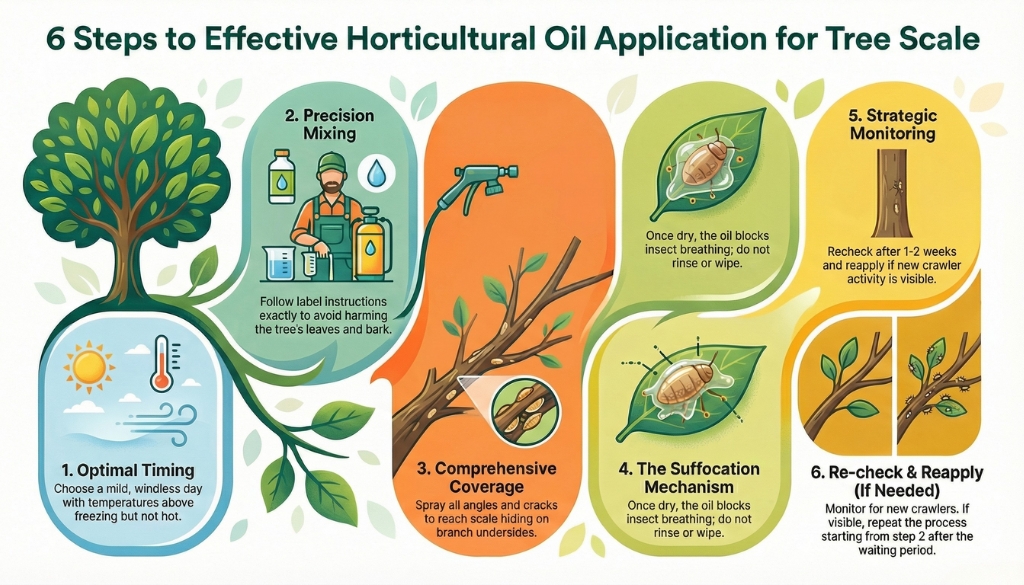
- Pick the right day: Choose a mild day with no rain or strong wind. Temperatures should be above freezing but not hot. Early morning or late afternoon works best.
- Mix the oil correctly: Follow the instructions on the label exactly. Don’t guess or make it stronger. Too much oil can harm leaves and bark.
- Spray the affected areas first: Start with branches and twigs where scale is visible. Spray slowly so the oil coats the surface instead of dripping off.
- Cover every side of the branch: Scale hides in cracks and undersides. Spray from different angles so the oil reaches all surfaces.
- Let the oil do the work: Once the oil dries, it forms a thin coating that blocks the insect’s breathing. There’s no need to rinse or wipe it off.
- Recheck the tree after a week or two: Look for remaining scale or new crawler activity. A second application may be needed if scale persists.
Benefits of horticultural oil include:
- Effective on adults and eggs
- Low impact once dry
- Safe when applied properly
Insecticidal Soap for Active Tree Scale Crawlers
Best timing: Crawler stage when young scale insects are moving and exposed.
Insecticidal soap works on contact and breaks the infestation cycle, unlike horticultural oil, which coats and smothers scale. Soap only affects exposed crawlers and does not work once a hard shell has formed.
How To Use Insecticidal Soap on Scale
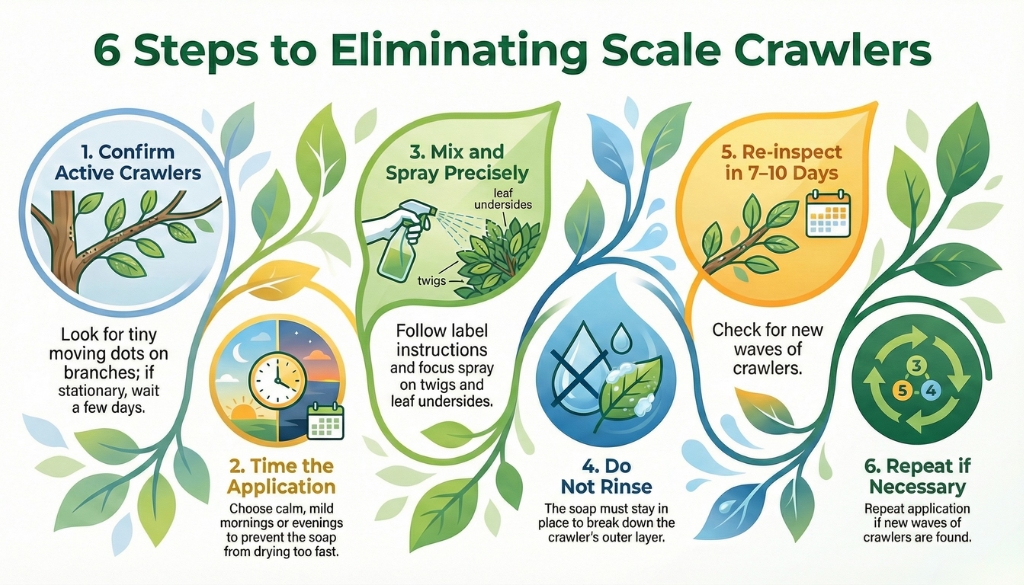
- Confirm crawlers are active: Look closely at branches and leaves. Crawlers look like tiny moving dots. If nothing is moving, wait and check again in a few days.
- Choose a calm, mild day: Apply insecticidal soap when it’s not windy or hot. Early morning or evening works best so the soap doesn’t dry too fast.
- Mix the soap exactly as directed: Follow the label instructions carefully. Stronger is not better and can damage leaves.
- Spray where crawlers are present: Focus on twigs, leaf undersides, and areas where scale was previously seen. Spray until the surface is evenly wet.
- Let the soap stay in place: Insecticidal soap works by breaking down the crawler’s outer layer on contact. It doesn’t need to soak in or be rinsed off.
- Repeat as needed: Check the tree again in 7 to 10 days. Because crawlers emerge in waves, more than one application is often necessary.
Benefits of insecticidal soap include:
- Fast results on crawlers
- Minimal residue
- Safe for repeat applications
Several treatments of insecticidal soap may be needed during peak crawler periods.
Chemical Treatments for Heavy Tree Scale Infestations
Best timing: Multiple life stages when infestations are severe or long-standing.
Chemical options are considered when other methods haven’t slowed the scale spread. Here are some important reminders before choosing chemical treatments for scale:
- Use only products labelled for tree scale
- Follow directions exactly as displayed on the product label
- Avoid spraying during extreme heat
These chemical treatments work best alongside other control steps. But if the problem keeps returning, a local tree removal company can evaluate the infestation and recommend next steps before you see more damage to your tree.
Reducing Ant Activity That Protects Tree Scale
Best timing: Anytime ants are seen climbing the trunk.
Ants protect the scale because they feed on its sticky sap.
How to Keep Ants Away From Scale
- Apply sticky bands around the trunk
- Keep mulch away from direct trunk contact
- Remove nearby food sources
How To Prevent Tree Scale
For a lot of tree diseases, healthy trees resist better than stressed ones. The same goes for scale. Here are the ways you can prevent tree scale before it attacks:
- Water deeply during dry periods
- Avoid damaging bark with lawn equipment
- Maintain balanced soil conditions
- Inspect branches every few weeks
In NYC, quick checks during spring and summer make catching scale easier as this is the birthing season.
Tree scale is common in New York City and surrounding areas, but it’s manageable when caught early. Remember to stay consistent, pay attention to changes, and your trees have a much better chance of resisting scale.

Written by