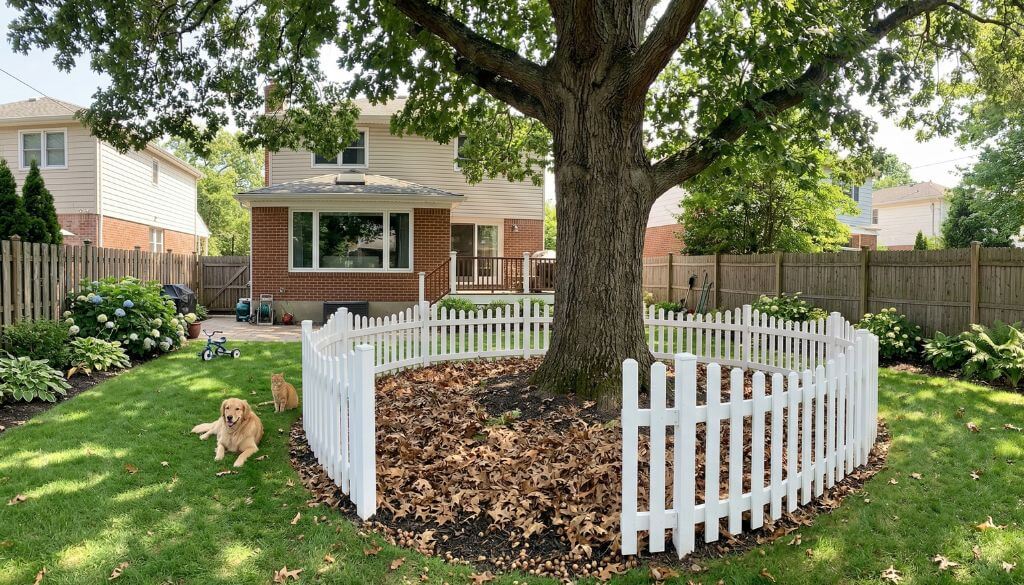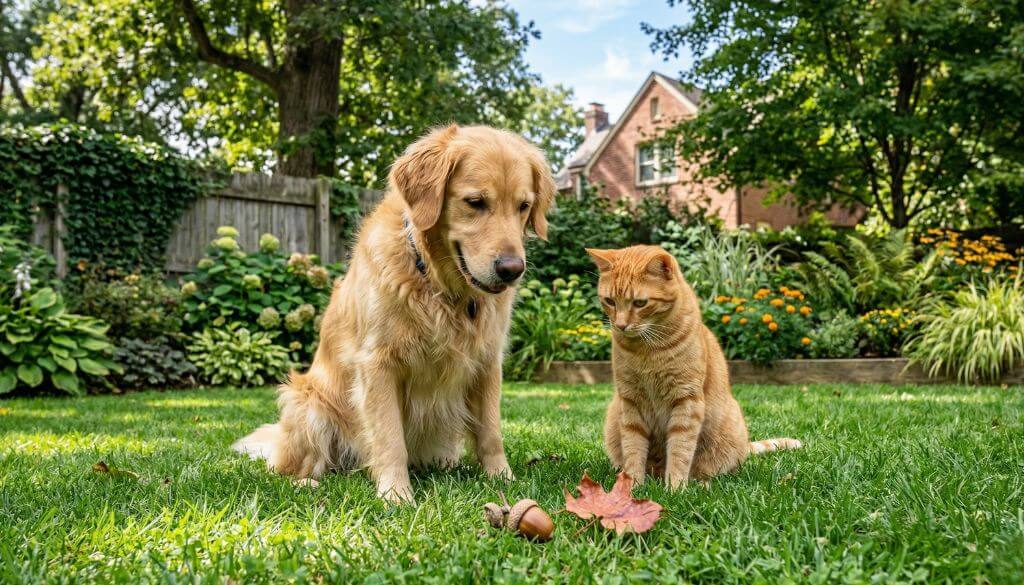
Quick Answer: The most common toxic trees for dogs and cats in NY include Red Maple, Black Walnut, Oak, and wild Cherry trees. Ingesting the leaves, nuts, or bark from these poisonous backyard trees New York City homeowners often plant can cause severe symptoms. These symptoms range from gastrointestinal upset to serious organ damage. Fencing off dangerous areas or removing the hazardous trees completely is the best way to keep your pets safe.
We all love letting our pets roam freely in the backyard. It feels like a safe haven for them to play and explore. However, danger might be hiding right above their heads.
Many homeowners do not realize that several native and decorative trees are highly dangerous to pets. Let us explore the specific toxic trees for dogs and cats in NY you need to watch out for.
What Are The Most Poisonous Backyard Trees in New York City?
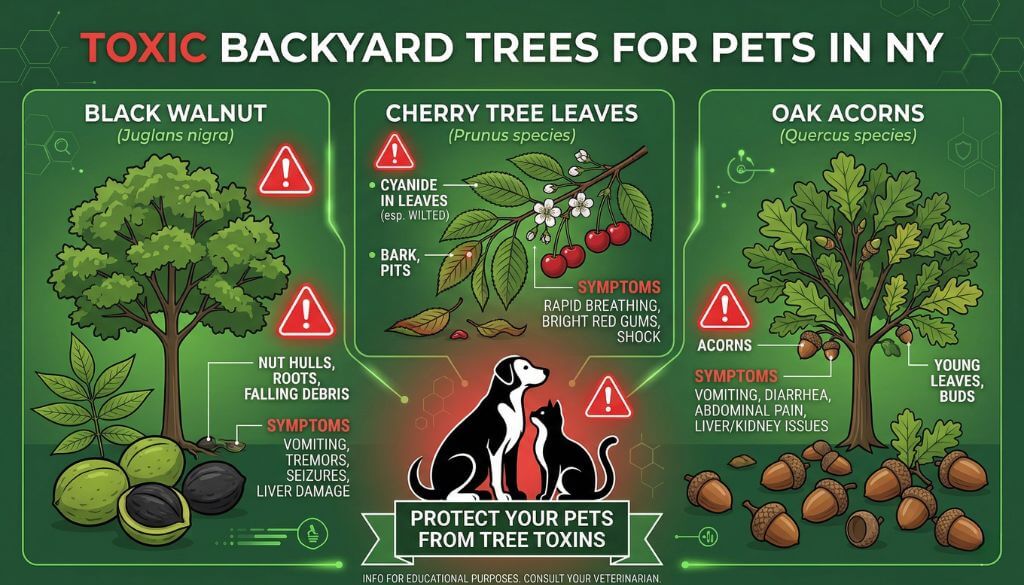
New York City has a diverse climate that supports many beautiful tree species. Sadly, some of these beauties are dangerous tree species for animals.
Black Walnut Trees
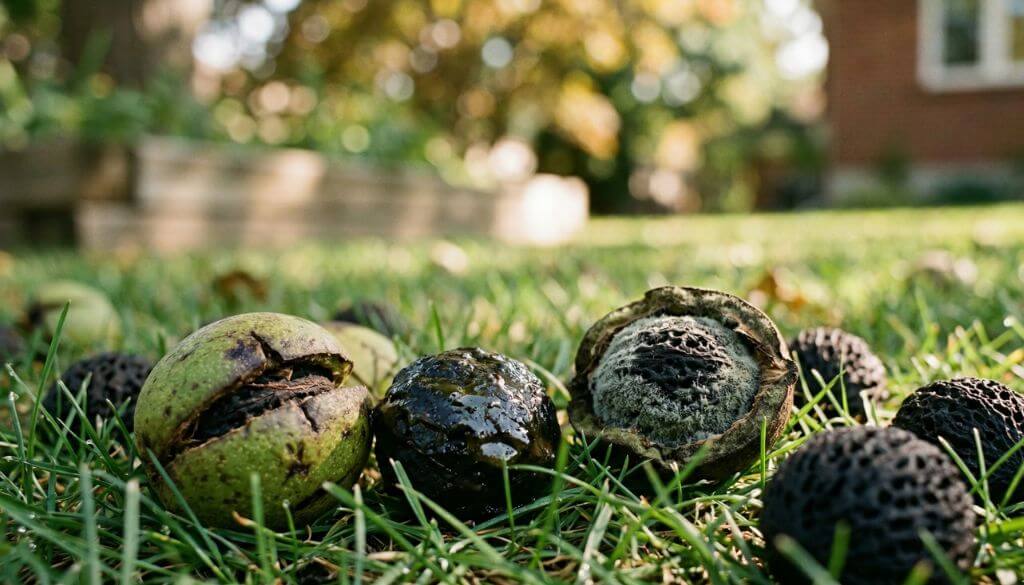
Black walnut trees are incredibly common across the state. They produce a toxic compound called juglone. This compound is found in the nuts, roots, and wood.
If your dog chews on a fallen walnut, it can lead to severe stomach upset. Worse, moldy walnuts on the ground produce tremorgenic mycotoxins. These specific toxins cause seizures and tremors in pets.
Wild Cherry Trees
Cherry trees look beautiful in the spring. However, their leaves, stems, and pits contain cyanogenic glycosides. This is a scientific term for compounds that turn into cyanide when chewed.
A wilted cherry leaf is actually more toxic than a fresh one. If your cat or dog ingests these leaves, it can disrupt their cellular oxygen levels. This is a severe medical emergency.
Oak Trees
Oak trees are a staple of New York City landscaping. The danger here lies mainly in the acorns and young oak leaves. These contain gallotannins, which are highly toxic to dogs and cats.
Eating acorns can cause severe gastrointestinal distress. In extreme cases, it can lead to kidney damage.
Red Maple Trees
Red maple trees are especially dangerous to horses, but they also pose a risk to dogs and cats. The toxic compound in wilted maple leaves destroys red blood cells.
While cats and dogs must eat a larger volume of leaves to be affected compared to horses, the risk remains. It is always better to monitor what your pets chew on during the autumn months.
What Are The Symptoms of Toxic Plant Poisoning in Pets?
Catching the signs of poisoning early can save your pet’s life. Symptoms vary widely depending on which toxic trees for dogs and cats in NY they chewed on.
Watch out for these common warning signs:
- Excessive drooling: Often the first sign of nausea or oral irritation.
- Vomiting and diarrhea: A clear indicator of severe stomach upset.
- Lethargy: Unexplained weakness or a sudden lack of energy.
- Staggered gait: Walking like they are dizzy or uncoordinated.
- Tremors or seizures: A critical sign of neurological distress.
If you suspect your pet has eaten something dangerous, do not wait for symptoms to worsen. Contact your vet or reach out to the ASPCA Animal Poison Control Center immediately.
How Do These Toxic Trees Compare?
It helps to have a quick reference guide when evaluating your pet-safe landscaping. Here is a breakdown of the specific dangers.
| Tree Species | Toxic Parts | Primary Symptoms |
|---|---|---|
| Black Walnut | Nuts, wood, roots | Vomiting, seizures, tremors |
| Wild Cherry | Leaves, stems, pits | Panting, bright red gums, shock |
| Oak | Acorns, young leaves | Diarrhea, lethargy, kidney issues |
| Red Maple | Wilted leaves | Dark urine, weakness, pale gums |
What Should I Do If I Have Dangerous Trees in My Yard?
Finding out you have toxic trees for dogs and cats in NY right in your backyard can be stressful. Fortunately, you have practical options to manage the risk.
First, restrict your pet’s access to the area around the tree. You can set up temporary fencing during seasons when leaves and nuts are falling.
Regular yard maintenance is also crucial. Rake up fallen leaves, acorns, and twigs daily. Keeping the ground clear reduces the temptation for your pets to snack on toxic plants for pets.
If the tree poses a constant, unavoidable threat, removal might be the best option. You can schedule a professional tree risk assessment to see if the tree can be safely managed or if it needs to go.
Are You Ready for a Pet-Friendly Yard?
Creating a safe environment for your pets requires vigilance. Knowing which toxic trees for dogs and cats in NY exist in your neighborhood is half the battle.
If you are unsure about the species growing on your property, it is always wise to consult an expert. Sometimes, the safest route for pet-safe landscaping is completely removing the hazard.
GreenLeaf is here to help you evaluate your yard. We offer comprehensive safe tree removal services to keep your furry family members out of harm’s way.