

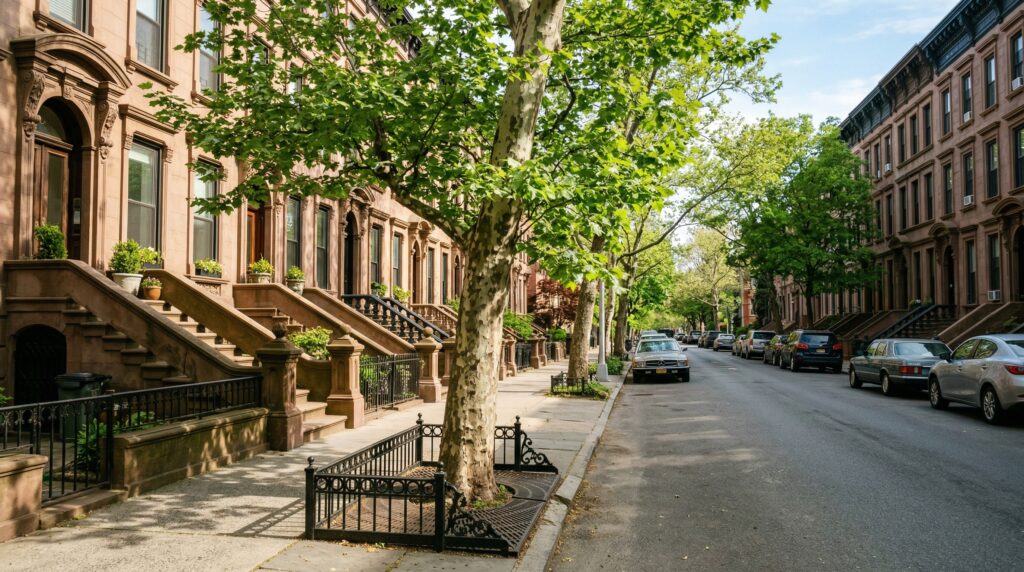
One of the most expensive mistakes a New York City homeowner can make is taking down a tree without checking if they actually need an NYC tree removal permit first. The rules are not intuitive, and they are not the same as the rules in Westchester or Long Island. If you are planning a removal in Brooklyn, Queens, the Bronx, Manhattan, or Staten Island, the first question is not which crew to hire. It is whether the NYC Department of Parks and Recreation (DPR) needs to sign off before a single branch comes down.
The two trees the city actually controls
NYC Parks Forestry has jurisdiction over two specific categories of trees, regardless of who owns the land underneath:
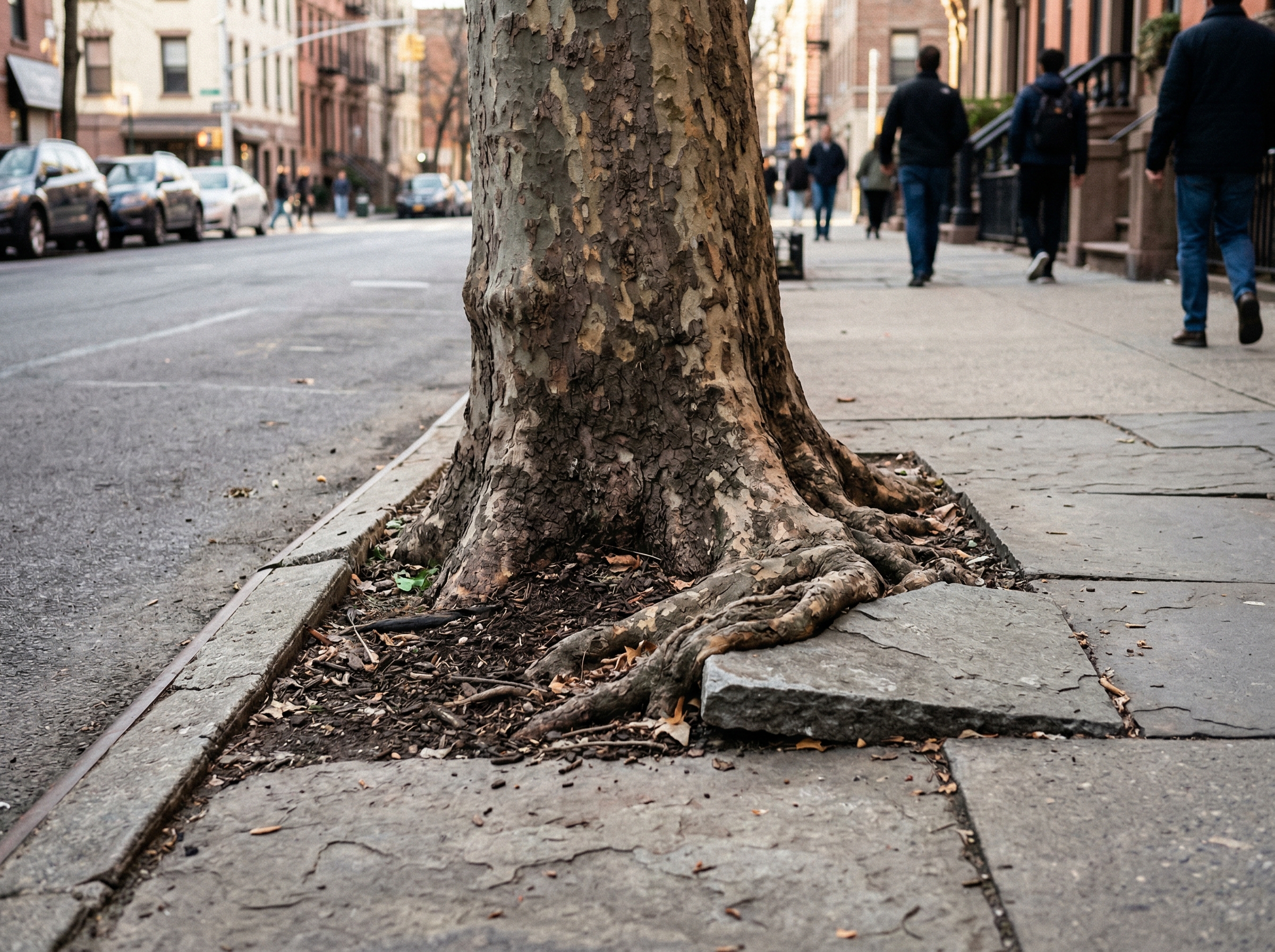
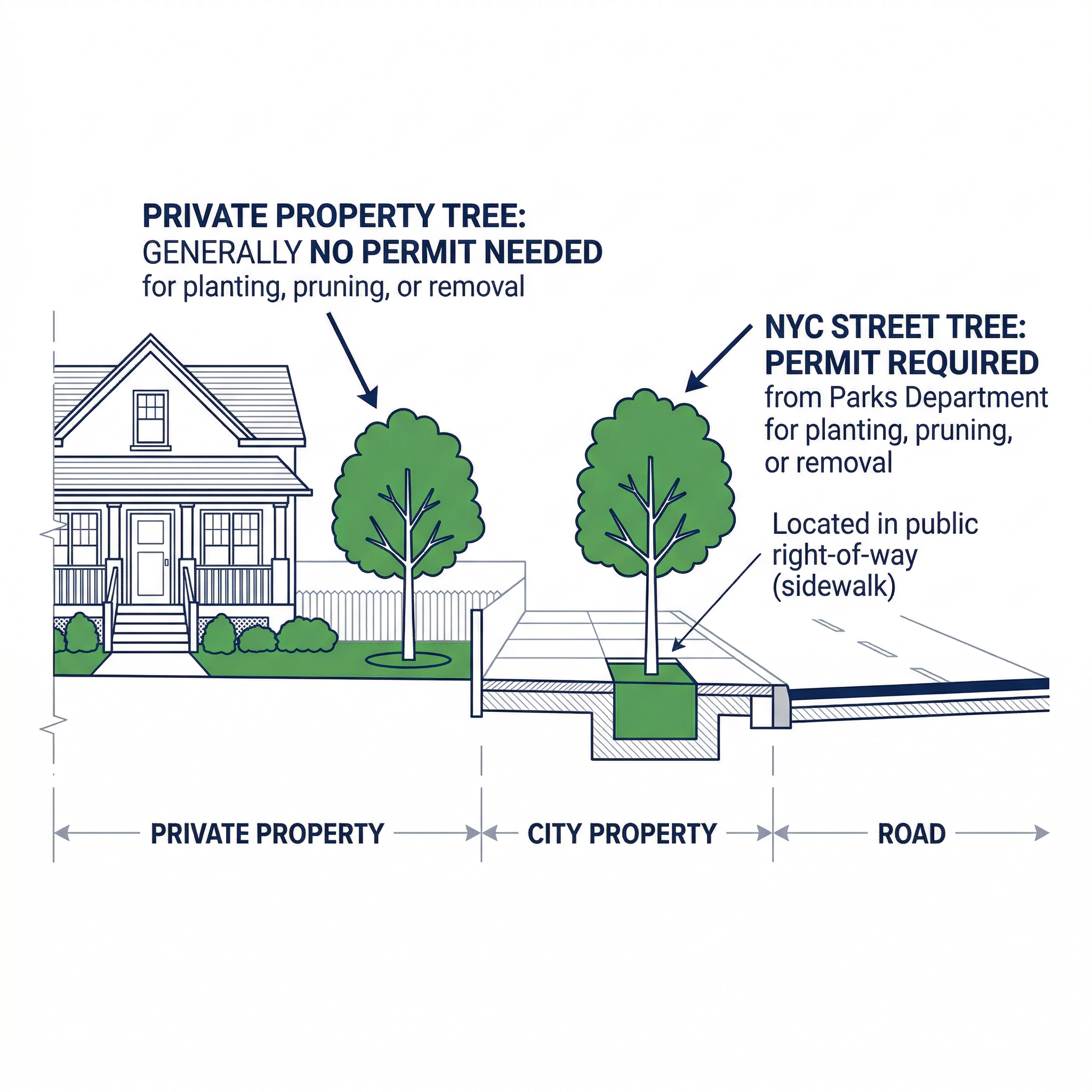
- Street trees. Any tree growing in the sidewalk strip between the curb and the property line. The city planted it, the city owns it, and you cannot touch it without a permit, even if it is in front of your house and the roots are lifting your stoop.
- Park trees and trees on city-owned property. Any tree on Parks Department land, in a community garden under Parks jurisdiction, or on land controlled by another city agency.
For both categories, all pruning, removal, planting, and root work requires a written permit from the NYC Parks Forestry permit office. Doing the work without one is a violation of NYC Administrative Code Section 18-129, and the fines are not theoretical.
What about trees on my own property?
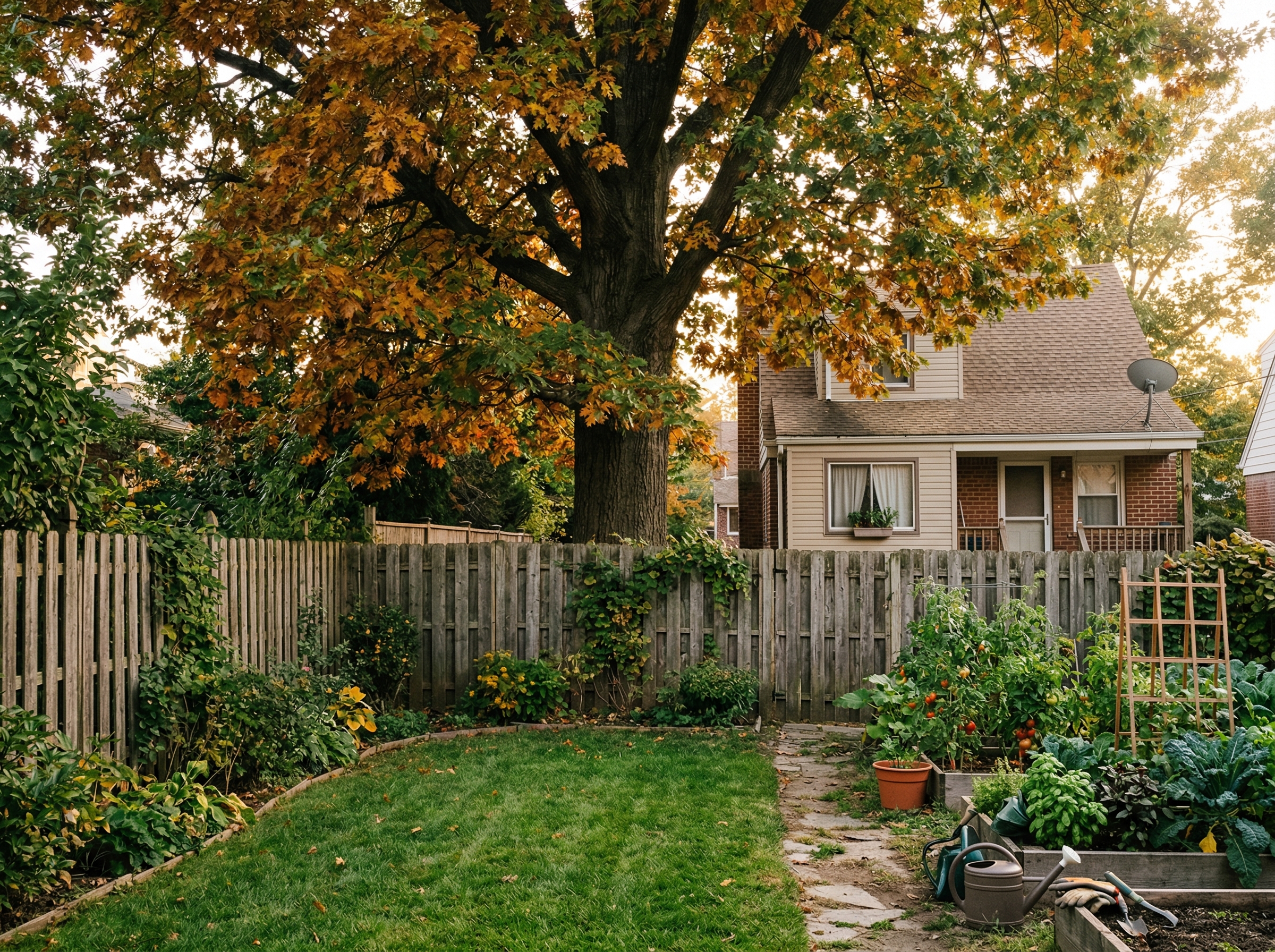
This is where most homeowners get tripped up. In general, if a tree is rooted entirely on private property in NYC, you do not need a DPR permit to remove it. Unlike many neighboring municipalities, NYC has no general private-property tree preservation ordinance for residential lots. You own the tree, you can take it down.
That said, there are four important exceptions where a private-property tree still triggers DPR involvement:
- Trees on a designated landmark site or in a historic district. The Landmarks Preservation Commission (LPC) reviews work on designated properties. While LPC is separate from DPR, removing a significant tree from a landmarked site usually requires their approval.
- Trees that overhang the public right-of-way and require a sidewalk or street closure to remove. The removal itself is allowed, but the work zone setup needs a Department of Transportation (DOT) permit. The crew also needs to coordinate with DPR if any portion of the work risks impacting a street tree.
- Trees being removed as part of a construction or development project under SEQRA review. Major projects in the five boroughs may have tree preservation conditions baked into their site plan approval.
- Trees protected under a deed restriction or HOA covenant. Some Staten Island and Riverdale developments have private restrictions that require neighbor or board approval before removal.
How to tell if a tree is a street tree or yours
Stand on the sidewalk facing your house. The strip of grass or dirt between the curb and the sidewalk (the “tree pit” or “tree lawn”) is city right-of-way. Any tree planted there is a street tree, even if your grandfather paid for it in 1962. If the tree is on the house side of the sidewalk, in your front yard or back yard, it is on your property.
The grey area: trees right on the property line. If the trunk straddles your line and your neighbor’s, both owners share rights and obligations. If the trunk is on your side of the line but the canopy or roots extend over the sidewalk, the tree itself is yours but pruning the canopy back from the public way may still require notification to DPR if branches over a certain diameter are involved.
How to apply for a street tree work permit
If the tree you need to address is a street tree, you have two paths:
Path 1: Free city work request
Call NYC 311 or use the NYC 311 portal and report the tree. If it is dead, dying, structurally hazardous, or causing infrastructure damage, NYC Parks Forestry will inspect and add it to the city work queue. You pay nothing. The catch: city queues for non-emergency work routinely run 12 to 36 months. Emergency hazards (split crotch, large hanger, leaning into a building) get prioritized within days.
Path 2: Private contractor permit
If you do not want to wait, you can hire a private NYC-licensed tree contractor to do the work at your expense. The contractor (not you) submits the permit application to DPR Forestry, which includes the property address, the work scope, an arborist justification, and proof of insurance and licensing. DPR reviews, often inspects in person, and either approves, denies, or modifies the scope. Approval timeline is typically 2 to 6 weeks for non-urgent work. Fees vary by scope.
Only DPR-licensed contractors can pull these permits. There is no homeowner DIY path for street tree work. We help clients navigate this process through our NYC tree permit help service.
What happens if you cut a street tree without a permit
NYC Administrative Code 18-129 sets civil penalties based on the trunk diameter at breast height (DBH) of the tree. As of 2026, the city assesses replacement value using a formula that prices a healthy 30 inch DBH London plane on a Brooklyn brownstone block at well over $20,000. A typical violation for unauthorized removal of a mid-sized street tree runs $7,000 to $25,000, plus the cost of planting a replacement tree (or paying the city to plant one for you, currently around $2,500 per tree).
In addition to the civil penalty, the contractor who did the work loses their DPR license, which usually ends their NYC tree business. Reputable NYC tree contractors will refuse to touch a street tree without a permit in hand.
Common Misconceptions We Hear
“It is in front of my house, so it is mine.”
No. Frontage does not equal ownership. Street trees are city property regardless of who lives next to them.
“It is dead, so I can just take it down.”
A dead street tree still requires a DPR permit before removal. The good news is dead-tree removals usually get approved quickly.
“I will just trim it, that does not count.”
Pruning a street tree without a permit is also a violation. Even removing a single overhanging branch larger than 2 inches in diameter can trigger penalties.
“My neighbor on the other side of the line said it is fine.”
For a tree straddling the property line, you need both owners’ written agreement before any work. One owner cannot unilaterally remove or significantly prune a shared tree.
Get the Permit Question Answered Before You Book
Before you commit to any NYC tree removal, the first step is figuring out which tree you are actually dealing with and which permit pathway applies. GreenLeaf Tree Care holds the DPR contractor license to handle street tree permits in all five boroughs and we can usually tell you in a 5 minute phone call whether your tree needs a permit or not. request a free quote and we will walk you through the permit pathway before any quote.