

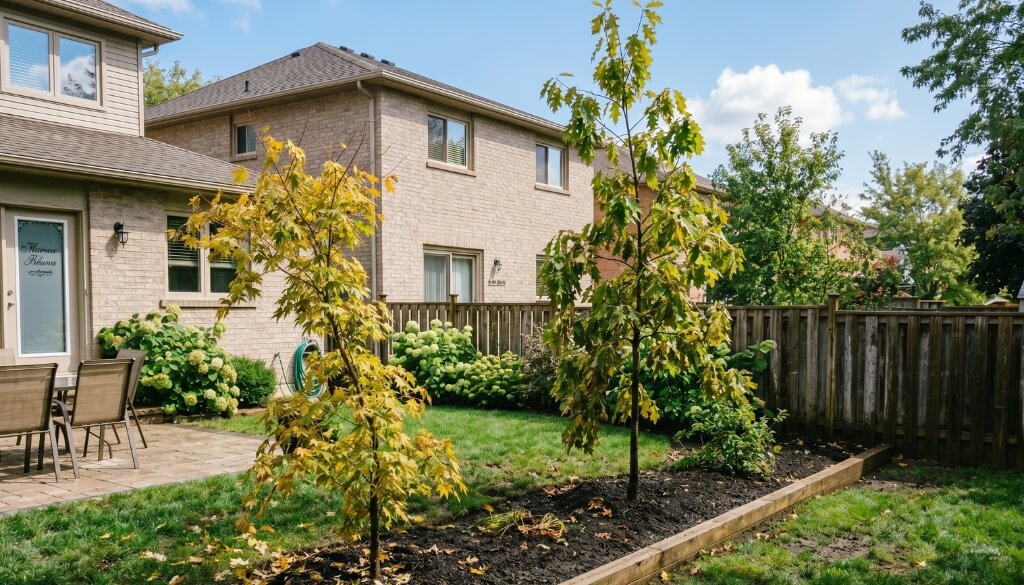
Watering your landscape feels like the most natural thing to do when summer temperatures start to climb. You see a wilting leaf, and your instinct is to grab the hose. But giving your green spaces too much love is actually one of the quickest ways to kill them.
Overwatering outdoor plants and trees suffocates the root system. Roots need oxygen just as much as they need hydration. When the soil stays constantly saturated, the air pockets close up, and your plants essentially drown. We see this happen all the time, and the worst part is that the symptoms of drowning often look exactly like drought.
Why Too Much Water is Worse Than a Drought
Most people do not realize that a dry plant can recover much faster than a waterlogged one. When a tree or shrub goes without water, it slows down its growth and waits for rain. When it gets too much water, the roots begin to rot. Once root rot sets in, the plant can no longer absorb nutrients or water, meaning it will die of dehydration anyway because the intake system is destroyed.
The Mechanics of Soil Saturation
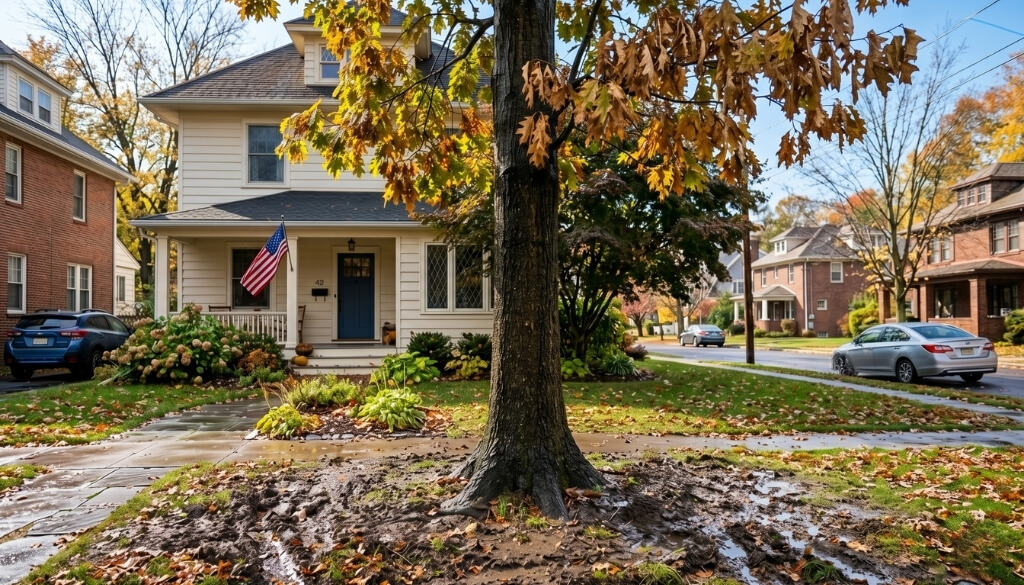
Soil type plays a massive role in how water moves through your yard. Clay soil holds onto moisture for days, while sandy soil drains quickly. If you treat every area of your yard the same, you are bound to run into issues with overwatering outdoor plants and landscaping features.
Visual Warnings Hidden in Your Leaves
The canopy of a tree or the foliage on your flowers will always tell the story of what is happening underground. You just have to know how to read the signs.
Wilting But Wet Soil
If your flowers are drooping, your first reaction is probably to water them. Before you do, touch the dirt. If the ground is muddy or damp and the plant is wilting, you are dealing with a classic case of overwatering. The roots are failing, so they cannot send moisture up to the leaves, causing the plant to droop even though it is standing in a puddle.
Color Shifts and Leaf Drop
Healthy green leaves require a functional root system to exchange gasses and absorb minerals. When the soil is waterlogged, you will notice distinct changes in appearance.
- Pale green or yellowing leaves: This often starts at the bottom of the plant and moves upward.
- Soft, mushy foliage: Unlike crisp, dry leaves from a drought, overwatered leaves feel limp and damp.
- Green leaves falling off: If your trees are dropping perfectly green leaves in June or July, the root system is under major stress.
Checking the Ground
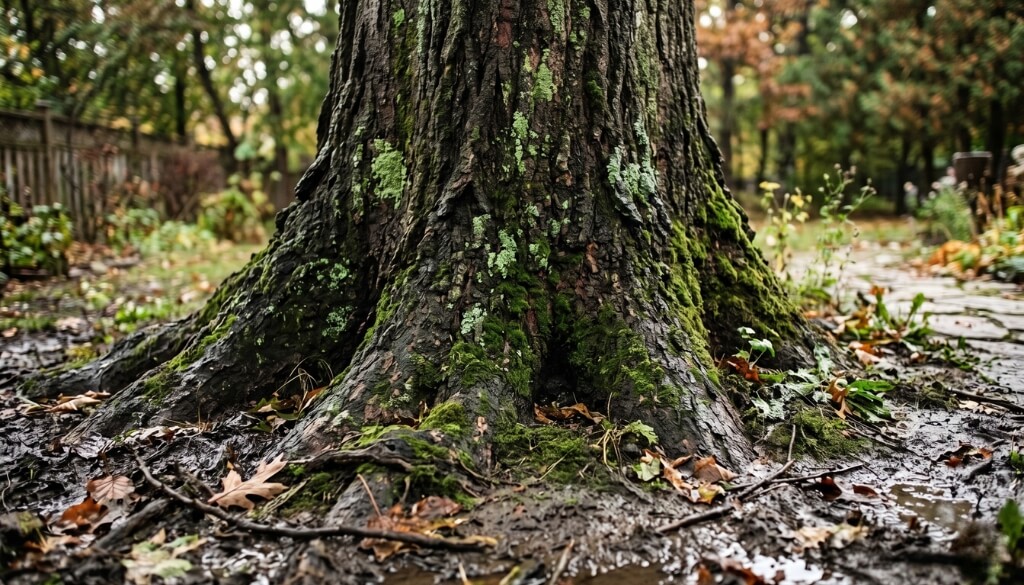
You can learn a lot about the health of your trees and shrubs by looking at the ground directly beneath them. The soil condition gives away your watering habits instantly.
Constant Mud and Algae Growth
Walk out to your garden beds and step near your plants. If the ground feels spongy or leaves a wet footprint long after you finished watering, the area is way too oversaturated.
Signs of Soil Issues:
- Green moss or algae growing on the surface of the mulch
- A sour, stagnant, or rotten-egg smell coming from the dirt
- Mushrooms popping up constantly around the base of your trees
The Touch Test for Homeowners
An easy way to prevent overwatering outdoor plants is to dig your fingers into the soil about two to three inches deep. If it feels wet and sticks to your fingers like clay, skip the watering session. Wait until the top few inches feel dry to the touch before you break out the hose again.
How Overwatering Destroys Tree Bark and Roots
Trees take longer to show signs of distress than annual flowers, but the damage to their root systems can be catastrophic.
Loose Bark and Fungal Growth
When a tree suffers from chronic overwatering, the base of the trunk begins to degrade. You might notice the bark feels soft or easily peels away from the wood. This damp environment invites wood-rotting fungi to take over. If you see shelf-like mushrooms growing directly out of the trunk of your tree, the internal structure is already compromised.
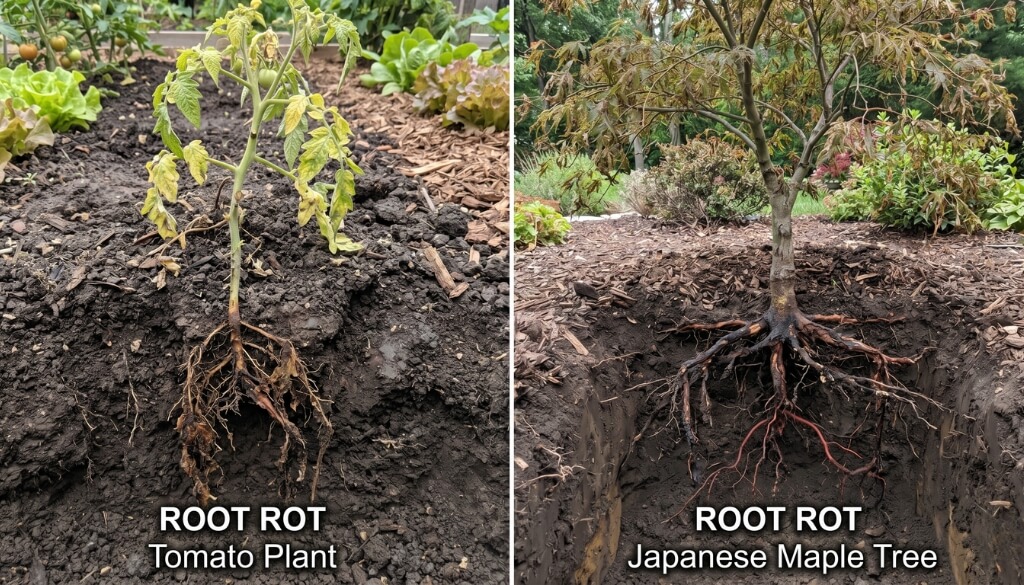
Root Rot
Healthy roots are firm and white or light tan. When we excavate trees that have been drowned by automated sprinkler systems, we find roots that are black, slimy, and easily break apart in your hands. Once the root system reaches this state, saving the tree becomes a massive challenge.
Fixing Your Watering Routine for a Healthier Yard
Correcting the issue is not just about turning off the spigot. It requires a shift in how you view your landscape’s actual hydration needs.
Adjusting Your Sprinkler Systems
Most people set their irrigation clocks in the spring and never touch them again. This causes major problems when summer storms roll through. If your area receives an inch of rain, your automated system needs to be paused.
Ditch the Daily Spritz
Watering your garden for ten minutes every single day is a recipe for disaster. It encourages shallow root growth and keeps the top layer of soil perpetually wet.
- Water deeply and less frequently: This forces roots to grow downward in search of moisture.
- Focus on the drip line: The roots that absorb water are located out at the edge of the tree’s canopy, not right against the trunk.
- Use mulch wisely: A two-inch layer of mulch retains moisture naturally, reducing the amount of manual watering you need to do.
When to Call in a Professional
If you have cut back on the water but your trees and large shrubs still look like they are struggling, the underground damage might be severe.
Our team of local arborists can assess the soil compaction around your property and determine if root rot has set in. We use specialized tools to aerate the soil around compressed roots, injecting oxygen back into the dirt to help the root system recover. If you suspect your yard is suffering from the effects of overwatering outdoor plants, let us take a look before the summer heat does further damage.